Craft Your Financial Legacy with Real Estate

Expert Guidance to Buy/Invest and Sell in Bellingham and Whatcom County

Scroll Down

Meet Andi Dyer


Welcome! I'm Andi Dyer, dedicated to helping you craft a financial legacy through real estate in Bellingham and Whatcom County. With a legacy of integrity established by my father in 1991, I bring a commitment to excellence and a background in Business Management, coupled with my expertise as a Master Certified Negotiation Expert. My approach centers on clear communication, trust, and strategic investments, guiding you seamlessly through every step of your real estate journey.


Beyond real estate, I’m deeply involved in community development, serving on boards like the Whatcom Women in Business and Whatcom Housing Alliance. I also lead social initiatives, including The Dyer Family Friendship School in Cambodia, which fosters education and sustainable community growth. My global travels across over 40 countries enrich my perspective, allowing me to bring diverse insights and connections to my work. Let’s connect to explore how the Northwest can be the perfect foundation for your legacy.

Headshot of Bellingham Managing Broker Andi Dyer, a blonde woman smiling warmly while wearing a white blazer and gold-and-blue floral dress, seated in a bright, welcoming Whatcom County home.

Discover Real Estate Resources

Navigate your home buying or selling journey with ease. Our curated resources page offers direct links to property maps, zoning info, water rights, and more—everything you need to make informed real estate decisions in Northwest Washington.

What is my home worth?


Find out the worth of your home and get the most accurate valuation.

Free Market Analysis

Featured Listings

Still looking for the perfect home?

Search ALL the listings

Check out the competition or browse available properties. Questions? We are here to help.

Search Properties Search Properties
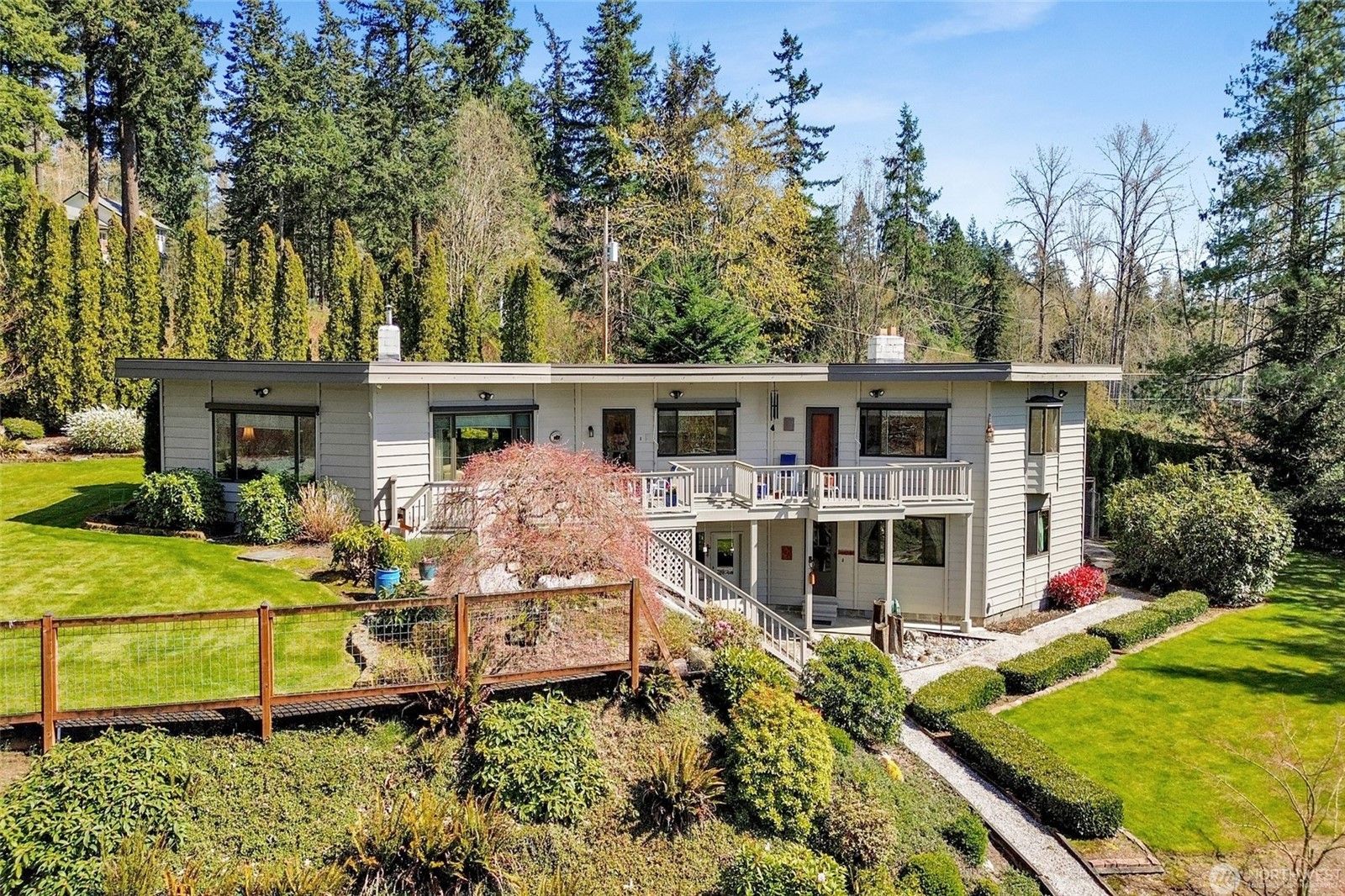
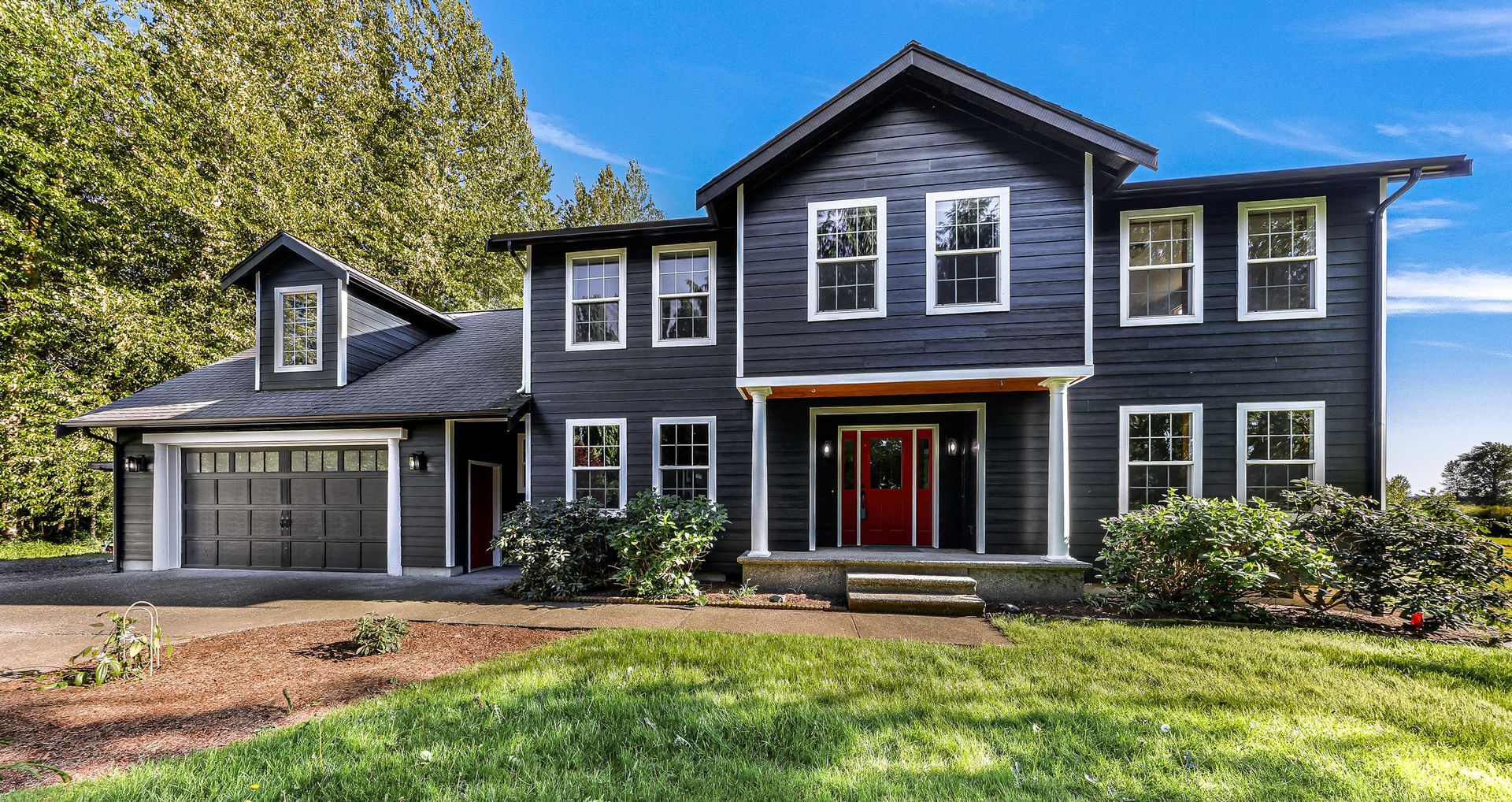
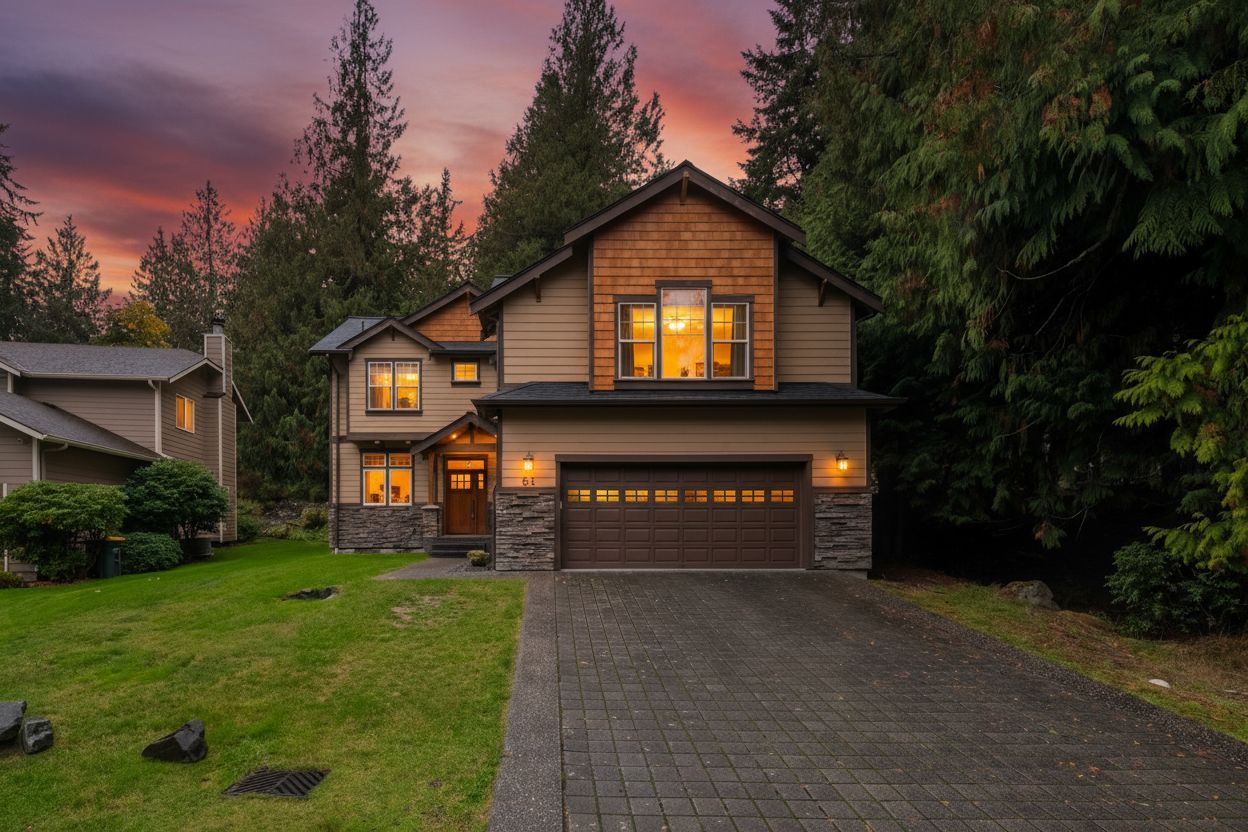
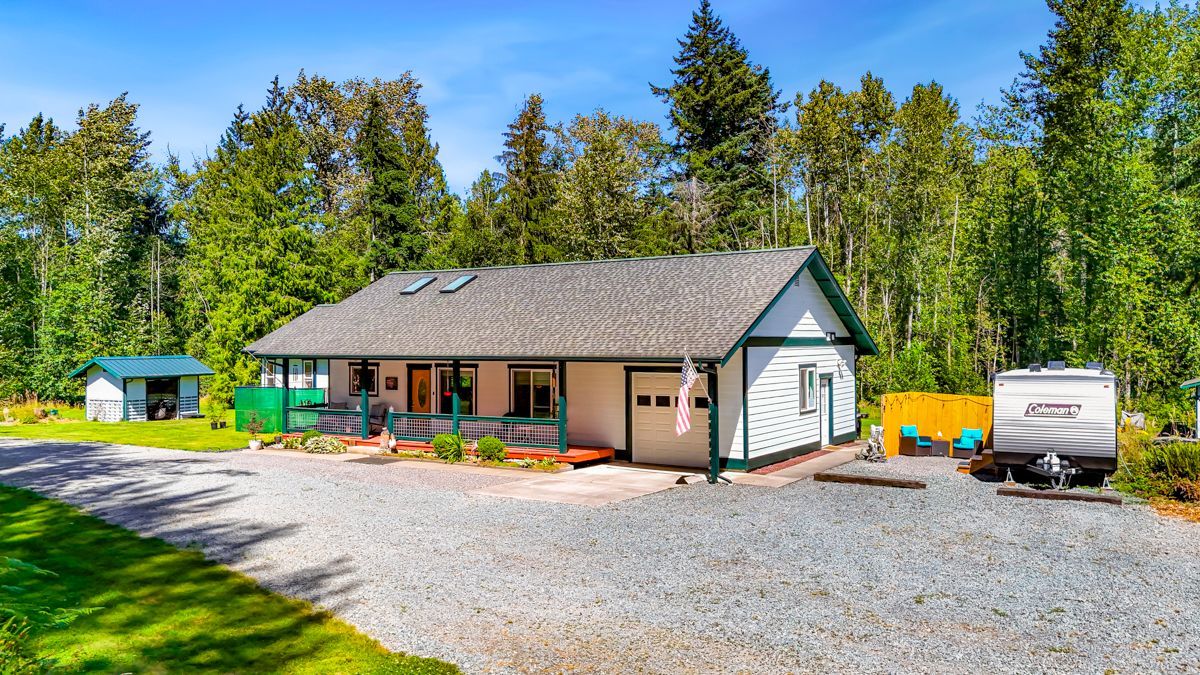
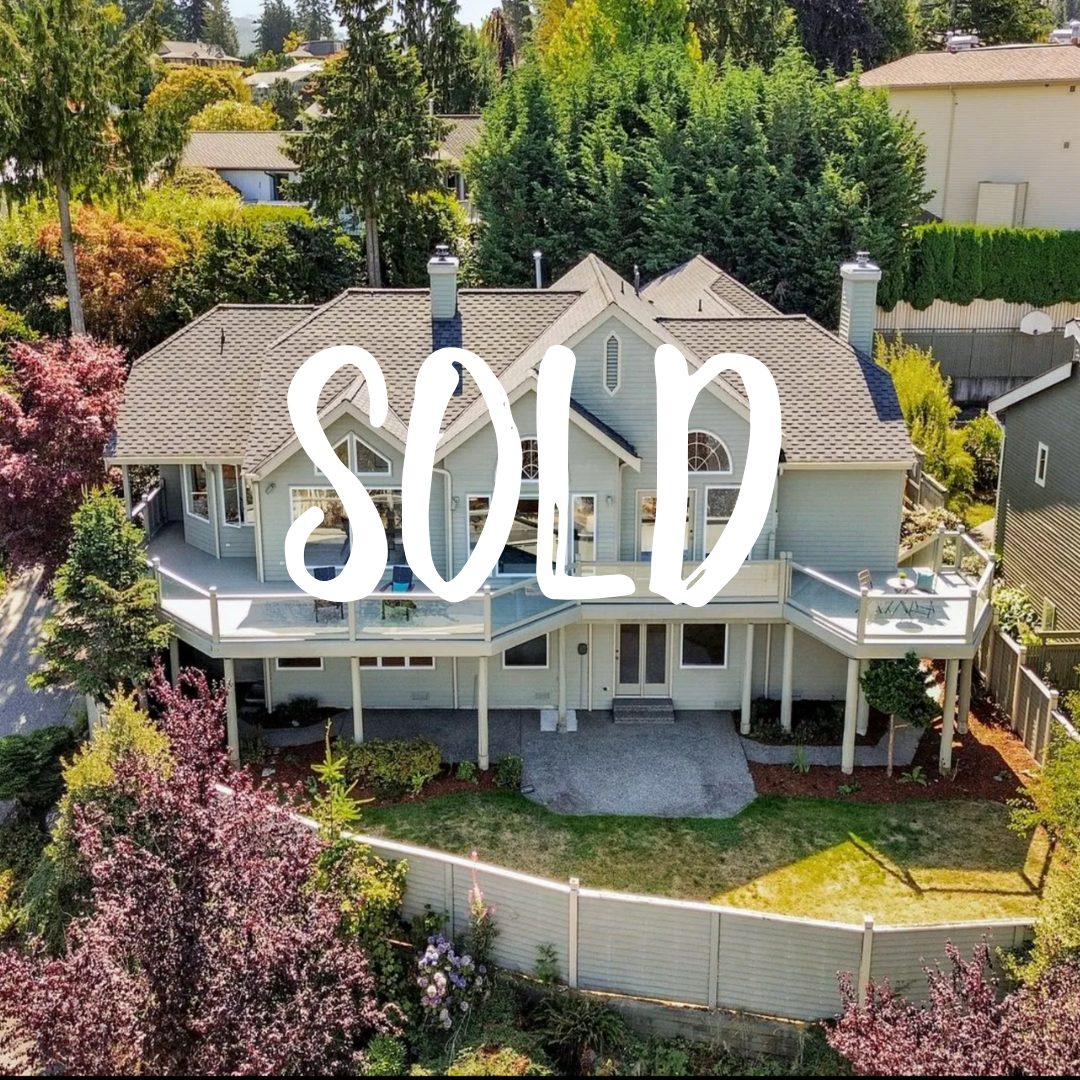
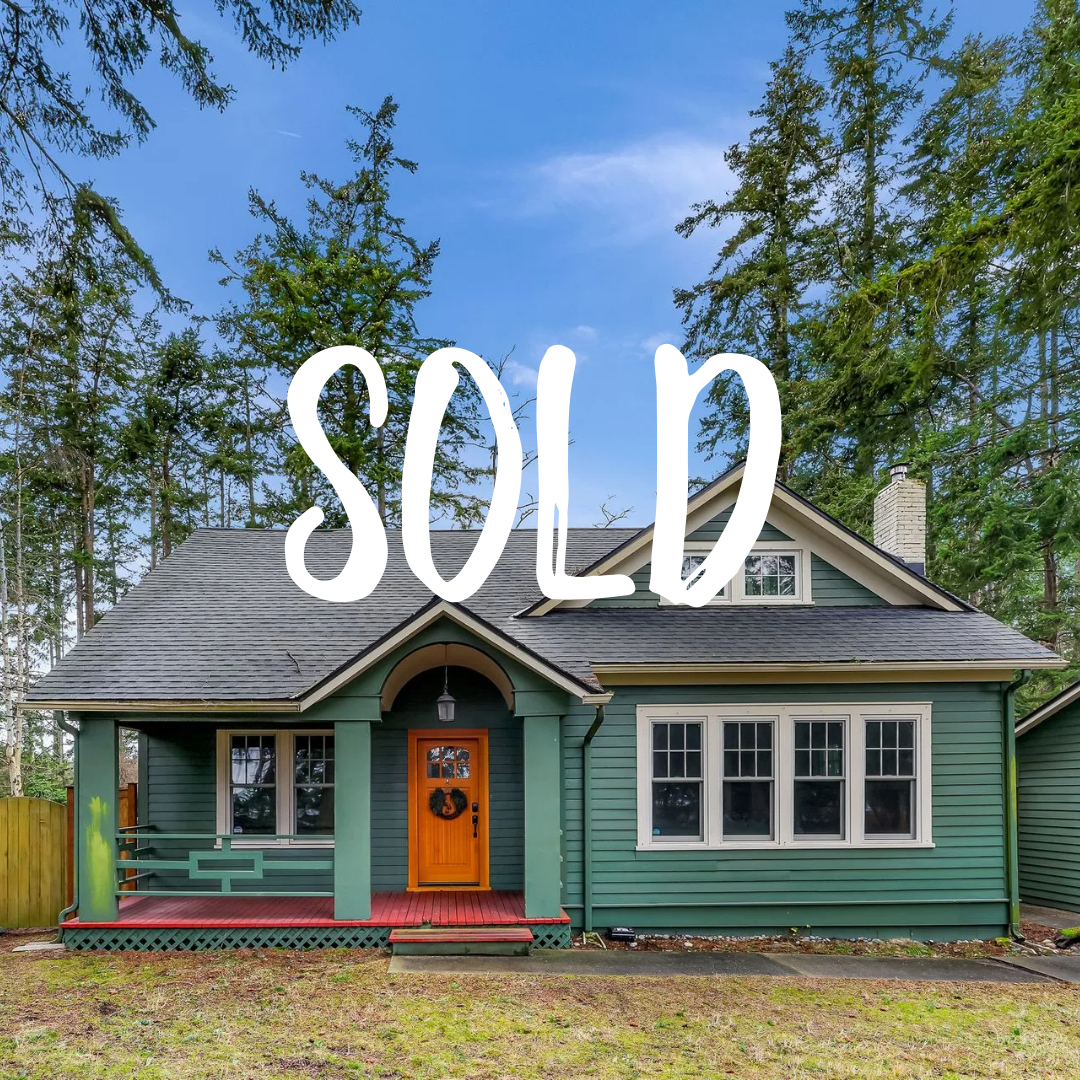
A large house with a lush green lawn in front of it.

WHAT PEOPLE ARE SAYING ABOUT ANDI


Andi is a great communicator, takes great care of her clients and is passionate about building our community in a positive way!

Andi is very knowledgeable and professional. She cares about people and finding solutions that fit everyone's needs. She is a loyal problem solver who will have your back. Definitely recommend!

I’ve worked with Andi as the realtor on the other side of the transaction. She is highly professional and advocates for her clients. Her reputation in our industry is well-deserved, and it is a pleasure to collaborate with her.

Sign up for our newsletter

Be the first to know about our newest listings! Our newsletter is helpful, never annoying. Local, never boring. Exclusive, never spammy. Just expert real estate tips, fun giveaways, and the best of Whatcom County.

Stay Updated: andi's Latest Real Estate Articles

By Andi Dyer March 29, 2026
Most sellers don't set out to overprice their home. It usually happens gradually — a neighbor's sale that felt high, an optimistic estimate, a number that works better for your next move. The intention is reasonable. The result, unfortunately, often isn't. Overpricing is one of the most common and costly mistakes sellers make in Whatcom County right now. Not because the market is unforgiving, but because buyers are informed, patient, and have enough options to simply wait you out. What's Really Going On When a Home Is Overpriced The hidden cost of overpricing isn't just a slower sale. It's a series of compounding problems that tend to get worse the longer the home sits. It starts with the launch window. When your home first hits the market, it gets more attention than it will at any other point in its listing life. Buyers with saved searches, agents monitoring new inventory, and motivated shoppers who've been waiting — they all see it in that first week or two. If the price doesn't match what the market supports, most of them move on without ever scheduling a showing. What follows is a quiet but damaging stretch of time. Days on market accumulate. Buyers start to notice. In Whatcom County, where many buyers are working with experienced local agents, a listing that has been sitting for three or four weeks starts to raise questions. Is something wrong with it? Is there an inspection issue? Why hasn't it sold? The home hasn't changed. But its reputation in the market has. What This Looks Like Specifically in Whatcom County In the Bellingham area, buyer activity tends to be concentrated. There are only so many buyers looking in any given price range at any given time. When a home is priced above where the market places it, it gets filtered out of searches, skipped in favor of better-priced competition, and quietly deprioritized by agents who know their clients won't bite at that number. Communities like Lynden, Ferndale, and Blaine have even smaller buyer pools than Bellingham proper. In those markets, the cost of a slow start is amplified. There simply aren't as many buyers cycling through, which means each week of sitting carries more weight. The $650,000–$800,000 range in Bellingham is particularly price-sensitive right now. Buyers at that level are typically well-researched and financially stretched enough that they're not inclined to pay above market. They'll wait. When Pricing High Can Make Sense There are legitimate situations where listing above recent comps is a reasonable strategy. If your home has meaningful upgrades — a recently renovated kitchen, a finished basement, a new roof, or exceptional outdoor space — that genuinely distinguish it from comparable sales, a higher price may be supportable. Unique properties with waterfront access, acreage, or panoramic views also operate differently. The buyer pool is smaller, but those buyers are often willing to pay for what they can't find elsewhere. Patience in those cases can be a genuine strategy rather than a mistake. The key distinction is whether the higher price reflects real, demonstrable value — or hope. One is a pricing strategy. The other is a liability. What I Advise Clients When I work with sellers on pricing, I try to reframe the question. Instead of asking "what do we want for this home," I ask "what will a buyer actually pay, given what else is available right now?" Those two questions often produce different numbers. And the gap between them is where overpricing lives. I also walk sellers through what a price reduction actually costs — not just emotionally, but financially. A home that sits for eight weeks and then reduces by $25,000 has often cost the seller more than that in carrying costs, negotiating leverage lost, and the stigma of a stale listing. In many cases, pricing accurately from the start would have produced a higher net proceeds than the optimistic launch followed by a reduction. The math usually makes the case better than anything I can say. Why Planning and Timing Matter Sellers who invest time upfront in understanding their market — reviewing genuine recent comparables, honestly assessing their home's condition, and setting a price anchored in data rather than hope — consistently do better than sellers who price high and plan to negotiate down. Part of this is psychological. A well-priced home that generates early interest gives the seller confidence and leverage. Multiple showings in the first week, even without multiple offers, signal that the price is right and that the seller is in a strong position. Timing plays into this too. Listing in a period of stronger buyer activity — typically spring in Whatcom County — gives an accurate price the best possible environment to perform. Overpricing in a strong season wastes the advantage. Overpricing in a slow season compounds it. The Bottom Line The hidden cost of overpricing isn't always visible on a spreadsheet. It shows up in the weeks that pass without showings, the price reduction that feels like defeat, the buyer who lowballs because the listing has been sitting, and the final sale price that ends up below where an accurate launch would have landed. Pricing well from the start isn't about leaving money on the table. It's about putting yourself in the best position to protect it. If you're thinking about selling in Whatcom County and want an honest, data-grounded look at what your home is worth today, that's exactly what the tool below is designed for. If you're trying to balance patience with smart action, start here: 👉 Start with a low-pressure home value and seller planning tool: https://www.andidyerrealestate.com/seller/valuation/ About the Author Andi Dyer is a Bellingham-based real estate broker with REMAX Whatcom County, specializing in helping longtime homeowners and sellers make confident, well-informed decisions. With a calm, data-driven approach and strong negotiation expertise, Andi focuses on protecting equity, reducing stress, and guiding sellers through the process with clarity and care. 📍 Serving Bellingham and all of Whatcom County 📞 Call or text: 360 • 734 • 6479 📧 Email: andi [at] andidyer [dot] com Zillow · Realtor.com · Homes.com · Google Business · Facebook · Instagram

By Andi Dyer March 29, 2026
If you've noticed homes staying listed longer than they used to, you're not imagining it. In Bellingham and across Whatcom County, some properties are sitting on the market for weeks — occasionally months — without selling. That's a shift from the frenetic pace of the past few years, and it's understandably making some sellers nervous. The short answer: homes are sitting when they're overpriced, underprepared, or both. The longer answer involves a market that has quietly reset, and buyers who now have the time and leverage to be selective. What's really going on in the market right now For much of 2020 through 2022, almost anything listed in Bellingham sold quickly — often with multiple offers and above asking price. That environment trained a lot of sellers (and some agents) to assume the market would do the heavy lifting. That's no longer the case. Mortgage rates have been elevated compared to the historic lows buyers enjoyed a few years ago, which means monthly payments are significantly higher on the same purchase price. Buyers are more cautious. They're running the numbers carefully, and they're walking away from homes that feel overpriced or that need more work than they're budgeted for. At the same time, more inventory has come onto the market. Sellers who waited out the pandemic years are now listing. That means buyers have more choices — and more choices means more homes getting passed over. What this looks like specifically in Bellingham and Whatcom County In the Bellingham area, the homes sitting longest tend to fall into a few recognizable categories. Homes priced at the top of their neighborhood range, or priced based on what a neighbor sold for eighteen months ago, are often sitting. The market has shifted enough that yesterday's comps don't always support today's asking price. Homes that need significant work — deferred maintenance, dated kitchens, older roofs — are also lingering, especially at higher price points. Buyers who are already stretching their budget for a mortgage don't have a lot left over for repairs. If the price doesn't reflect the condition, they'll move on. And in some cases, homes are sitting simply because of presentation. Poor photos, limited showing availability, or a cluttered online listing can cause buyers to skip over a home entirely, even if the price is fair. In areas like Ferndale, Lynden, and Blaine, the dynamics are similar but can vary based on how much new construction is competing for the same buyers. When this works differently Not every home in Bellingham is sitting. Well-priced, well-presented homes in desirable neighborhoods are still selling — some of them fairly quickly. Move-in ready properties in the $450,000–$650,000 range, in particular, tend to attract attention when they're priced accurately and marketed well. Unique properties — homes with acreage, waterfront access, or strong views — operate in their own micro-market and don't always follow the same patterns as typical residential listings. These homes often take longer even in strong markets, simply because the buyer pool is smaller by nature. If your home is in excellent condition and priced accurately, the current market is more forgiving than the headlines might suggest. Buyers are out there. They're just more deliberate. What I advise clients When a seller comes to me asking why homes are sitting, I typically walk through three things with them. First, we look at pricing honestly. Not what you hope the home is worth, not what it sold for in 2022 — what comparable homes have actually sold for in the past sixty to ninety days. That number matters more than any other. Second, we look at condition and presentation. A home that needs work isn't unsellable, but it needs to be priced to reflect that reality. Buyers will factor in repair costs and then some. Pricing as though the home is move-in ready when it isn't is one of the most common reasons homes stall. Third, we look at marketing. In a market where buyers have time to be selective, first impressions matter more than they did when inventory was tight. Professional photos, accurate and compelling copy, and strong digital visibility all make a measurable difference. The homes sitting longest right now are often the ones where one or more of these three things is off. The good news is that all three are fixable. Why planning and timing still matter Sellers who take a few weeks to prepare — pricing thoughtfully, handling high-priority repairs, and presenting the home well — are consistently outperforming sellers who list quickly without much preparation. There's a real cost to sitting on the market. Beyond the carrying costs of mortgage payments, taxes, and utilities, a home that lingers accumulates a stigma. Buyers start to wonder what's wrong with it. Price reductions become necessary, and those reductions often feel larger than the amount you might have saved by pricing accurately from the start. Timing still plays a role too. Spring typically brings more buyer activity in Whatcom County. Listing with a plan — and with realistic expectations — tends to produce better outcomes than listing in a hurry and hoping for the best. The bottom line Some homes are sitting in Bellingham right now because the market has shifted, and not every seller or listing has caught up to that reality. Buyers have more choices and less urgency. They're prioritizing value, condition, and move-in readiness in ways they simply didn't have to a few years ago. The sellers doing well are the ones who've taken an honest look at their price, prepared their home thoughtfully, and marketed it professionally. That approach isn't complicated — but it does require some planning. If you're thinking about selling and want a realistic picture of where your home stands today, a good first step is understanding your current value in this market. Find out what your home is worth today → About the author Andi Dyer is a Bellingham-based real estate broker with RE/MAX Whatcom County, specializing in helping longtime homeowners make confident, well-informed decisions. Her approach combines clear market insight, thoughtful planning, and strong negotiation to protect equity and reduce stress. 📍 Bellingham + all of Whatcom County  📞 360 • 734 • 6479 📧 andi [at] andidyer [dot] com If you're trying to balance patience with smart action, start here: 👉 Start with a low-pressure home value and seller planning tool Zillow · Realtor.com · Homes.com · Google Business · Facebook · Instagram
By Andi Dyer March 24, 2026
Patience is often recommended to sellers, but it’s rarely explained. There’s a meaningful difference between patience that protects your leverage and passivity that slowly gives it away. Understanding that difference helps sellers remain calm and effective at the same time. Why patience can quietly turn into inaction When activity slows, sellers are often told to “wait it out.” Waiting can be appropriate, but without intention it can turn into avoidance. Weeks pass. Feedback piles up. Momentum fades. By the time action is taken, the market has already formed an opinion. Patience should be active, not inert. What active patience looks like Active patience means monitoring signals, not just time. It means watching showing patterns, listening for repeated feedback themes, and tracking how competing listings are performing. It also means preparing mentally for next steps rather than being surprised by them. Sellers who practice active patience feel steady without feeling stuck. What passive waiting looks like Passive waiting usually shows up as hoping something changes without changing anything. Sellers may resist adjustments because “it hasn’t been that long,” even when early signals are clear. This approach often leads to deeper changes later, when leverage has already shifted. Why steady sellers outperform reactive ones Sellers who stay engaged without overreacting tend to make better decisions. They adjust deliberately rather than emotionally. That steadiness is felt by buyers, even if it’s never spoken aloud. Confidence, even quiet confidence, attracts action. A planning-forward reframe Instead of asking, “Should we just wait?” ask: “What would we be watching for if waiting stopped being the right move?” That question keeps patience purposeful. ABOUT THE AUTHOR Andi Dyer is a Bellingham-based real estate broker with RE/MAX Whatcom County, specializing in helping longtime homeowners and sellers make confident, well-informed decisions. With a calm, data-driven approach and strong negotiation expertise, Andi focuses on protecting equity, reducing stress, and guiding sellers through the process with clarity and care. 📍 Serving Bellingham and all of Whatcom County 📞 Call or text: 360 • 734 • 6479 📧 Email: andi [at] andidyer [dot] com If you’re trying to balance patience with smart action, start here: 👉 Start with a low-pressure home value and seller planning tool here: https://www.andidyerrealestate.com/seller/valuation/ Zillow: https://www.zillow.com/profile/AndiDyer Real t or.com: https://www.realtor.com/realestateagents/andi-dyer Homes.com: https://www.homes.com/real-estate-agents/andi-dyer Google Business Profile: https://g.page/andi-dyer-real-estate Facebook: https://www.facebook.com/AndiDyerRealEstate Instagram: https://www.instagram.com/andi.dyer
By Andi Dyer March 23, 2026
The phrase “sell as-is” sounds simple. For many sellers, it’s deeply appealing because it promises less work, fewer decisions, and a faster path to closing a chapter. But “as-is” doesn’t actually mean the same thing to sellers, buyers, and the market, which is why this choice can feel confusing even for confident homeowners. In Whatcom County, this decision often comes down to something more practical than pride or perfection: how much uncertainty you’re willing to carry into negotiations. Repairs and improvements aren’t only about making a home nicer. They can also be about reducing buyer fear and preventing small issues from becoming big leverage points later. What “as-is” really means in practice Selling as-is typically means you’re not committing to make repairs after the inspection. It does not mean a buyer can’t inspect, and it doesn’t prevent buyers from asking. It simply sets an expectation about your willingness to address issues. That expectation can attract the right buyer or scare off the wrong one, depending on the home and price point. A common misconception is that “as-is” is only for distressed properties. In reality, some well-maintained homes still sell as-is because the seller values simplicity and the home is priced in a way that makes the condition clear. The key is that the market has to feel the story makes sense. When repairs tend to be worth it Repairs are most worth considering when they reduce uncertainty around health, safety, or water intrusion. In Bellingham and the county, this often includes things like active leaks, electrical concerns that look scary on paper, or deferred maintenance that buyers interpret as “what else am I not seeing?” Even if a repair isn’t expensive, the fear it creates can be. In these cases, a seller who handles a few key items up front often gets a smoother path through inspection negotiations. The home doesn’t need to be perfect. It needs to feel responsibly cared for. When “as-is” can be the smarter move “As-is” can be smart when repairs would be expensive, disruptive, or unlikely to return value. If a home needs major work, trying to do partial fixes sometimes creates a weird middle ground where the home still feels like a project but now carries a higher price tag. Buyers can be oddly allergic to that. “As-is” also makes sense for sellers who prefer certainty and simplicity, especially if the pricing and marketing set expectations clearly. The right buyers aren’t scared by an honest home. They’re scared by surprises. A planning-forward way to decide Instead of asking, “Should I fix things or not?” try asking: “Which items would become a negotiation problem later if I leave them alone?” That approach keeps you focused on leverage, not perfection. It also helps you spend time and money where it actually improves your outcome. ABOUT THE AUTHOR Andi Dyer is a Bellingham-based real estate broker with RE/MAX Whatcom County, specializing in helping longtime homeowners and sellers make confident, well-informed decisions. With a calm, data-driven approach and strong negotiation expertise, Andi focuses on protecting equity, reducing stress, and guiding sellers through the process with clarity and care. 📍 Serving Bellingham and all of Whatcom County 📞 Call or text: 360 • 734 • 6479 📧 Email: andi [at] andidyer [dot] com If you’re wondering what’s worth repairing and what’s just going to drain your energy, start here: 👉 Start with a low-pressure home value and seller planning tool here: https://www.andidyerrealestate.com/seller/valuation/ Zillow: https://www.zillow.com/profile/AndiDyer Re a ltor.com: https://www.realtor.com/realestateagents/andi-dyer Homes.com: https://www.homes.com/real-estate-agents/andi-dyer Google Business Profile: https://g.page/andi-dyer-real-estate Facebook: https://www.facebook.com/AndiDyerRealEstate Instagram: https://www.instagram.com/andi.dyer
By Andi Dyer March 22, 2026
Many sellers say they’re “just not ready yet,” and often that’s true. But sometimes what’s holding people in place isn’t a clear strategy. It’s comfort. Familiarity. The quiet reassurance of staying where things are known. There’s nothing wrong with comfort. The challenge is mistaking it for a long-term plan. Why comfort is such a powerful force Homes are predictable. You know the quirks, the neighbors, the routines. Even when a home is more space than you need or more work than you want, it offers emotional certainty. Change, on the other hand, introduces questions. Where will I go? Will I like it? Will I regret this? Comfort keeps those questions at bay. When comfort quietly becomes costly Over time, comfort can carry hidden costs. Maintenance increases. Stairs become harder. Space that once felt expansive can start to feel like a burden. None of this happens overnight, which is why it’s easy to ignore. But comfort that delays thoughtful planning can eventually limit options. How to tell whether staying is a choice or a default A helpful distinction is whether staying feels like an active decision or a passive one. If you’ve considered alternatives, understand the tradeoffs, and still choose to stay, that’s strategy. If staying happens because planning feels overwhelming or emotionally charged, that’s something worth exploring gently. Why exploring doesn’t force action Many sellers avoid thinking about alternatives because they fear it will push them into a decision. In reality, exploring options often creates more peace, not less. Information rarely forces action. It usually creates choice. A planning-forward reframe Instead of asking, “Should I sell?” try asking: “If I stay, what am I choosing to carry forward?” That question brings clarity without pressure. ABOUT THE AUTHOR Andi Dyer is a Bellingham-based real estate broker with RE/MAX Whatcom County, specializing in helping longtime homeowners and sellers make confident, well-informed decisions. With a calm, data-driven approach and strong negotiation expertise, Andi focuses on protecting equity, reducing stress, and guiding sellers through the process with clarity and care. 📍 Serving Bellingham and all of Whatcom County 📞 Call or text: 360 • 734 • 6479 📧 Email: andi [at] andidyer [dot] com If you’re thinking about staying put but want to understand what that choice really means long-term, start here: 👉 Start with a low-pressure home value and seller planning tool here: https://www.andidyerrealestate.com/seller/valuation/ Zillow: https://www.zillow.com/profile/AndiDyer Rea l tor.com: https://www.realtor.com/realestateagents/andi-dyer Homes.com: https://www.homes.com/real-estate-agents/andi-dyer Google Business Profile: https://g.page/andi-dyer-real-estate Facebook: https://www.facebook.com/AndiDyerRealEstate Instagram: https://www.instagram.com/andi.dyer
By Andi Dyer March 21, 2026
Even sellers who are confident, organized, and prepared are often surprised by how emotionally draining the process feels. It’s not because they made a mistake. It’s because selling touches multiple layers of life at once. Understanding why stress shows up can make it easier to manage. Why selling creates layered stress Selling a home combines financial decisions, emotional attachment, public evaluation, and logistical complexity. Each of those alone can be manageable. Together, they amplify one another. Add deadlines, feedback, and uncertainty, and stress becomes a natural response, not a sign of weakness. How stress shows up for sellers Stress often appears as irritability, indecision, or a desire to rush or avoid decisions altogether. Sellers may feel unusually sensitive to feedback or frustrated by small delays. Recognizing these reactions as normal helps prevent self-criticism and burnout. Why preparation doesn’t eliminate stress entirely Even the most prepared sellers experience stress. Preparation reduces chaos, but it doesn’t remove emotion. What preparation does provide is a sense of agency. When you understand what’s happening and why, stress becomes more manageable. How to create steadiness during the process Building in time, asking questions early, and allowing yourself to slow down decisions when needed all help regulate stress. Support matters too. Selling doesn’t need to be a solo effort. A planning-forward reframe Instead of asking, “Why is this so stressful?” it can help to ask: “What part of this feels hardest right now, and what would make it feel lighter?” That question turns stress into information rather than something to fight. ABOUT THE AUTHOR Andi Dyer is a Bellingham-based real estate broker with RE/MAX Whatcom County, specializing in helping longtime homeowners and sellers make confident, well-informed decisions. With a calm, data-driven approach and strong negotiation expertise, Andi focuses on protecting equity, reducing stress, and guiding sellers through the process with clarity and care. 📍 Serving Bellingham and all of Whatcom County 📞 Call or text: 360 • 734 • 6479 📧 Email: andi [at] andidyer [dot] com If the emotional side of selling feels heavier than expected, a calmer starting point can help: 👉 Start with a low-pressure home value and seller planning tool here: https://www.andidyerrealestate.com/seller/valuation/ Zillow: https://www.zillow.com/profile/AndiDyer Rea l tor.com: https://www.realtor.com/realestateagents/andi-dyer Homes.com: https://www.homes.com/real-estate-agents/andi-dyer Google Business Profile: https://g.page/andi-dyer-real-estate Facebook: https://www.facebook.com/AndiDyerRealEstate Instagram: https://www.instagram.com/andi.dyer
Show More